In short
China's 2026 rehabilitation clinical pathway guideline turns recovery into a defined sequence: standardised assessment, measurable short and long-term goals, defined therapy intensity, and scheduled follow-up after discharge.
What this guide covers: What a clinical pathway actually is · Conditions covered · Assessment: the starting point · Goals and intensity · What the therapy consists of
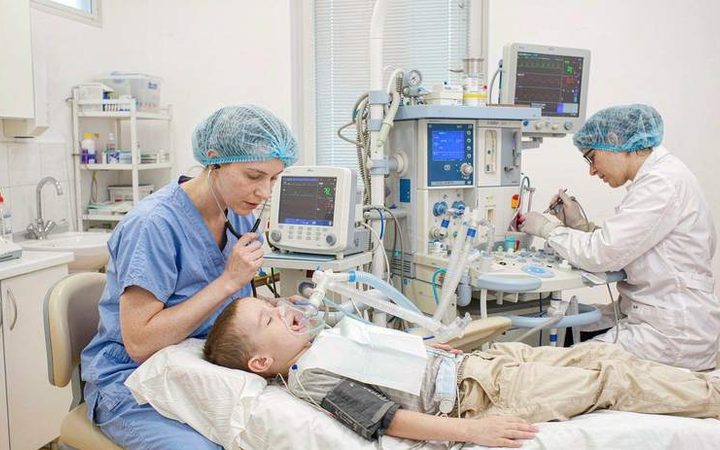
Rehabilitation in China is being reorganised around clinical pathways — agreed, evidence-based sequences of care for a specific condition rather than a set of therapies ordered ad hoc. The 2026 edition of the national rehabilitation clinical pathway guideline sets out how those pathways are built, who runs them, and what a patient should expect from admission to follow-up.
What a clinical pathway actually is
A rehabilitation pathway covers one condition or one type of functional impairment and describes the whole arc: assessment, intervention, evaluation of effect, discharge planning and follow-up. The aims are practical — reduce unwarranted variation, shorten the time to functional recovery, clarify who on the team does what, and make quality measurable.
The guideline states four principles. Pathways are evidence-based, drawing on systematic reviews, randomised trials and meta-analyses, with expert consensus filling gaps. They are individualised — the pathway is a default, not a straitjacket, and is adjusted for age, comorbidity and response. They are multidisciplinary, involving rehabilitation physicians, physical, occupational and speech therapists, psychologists, nurses and dietitians. And they run across the full continuum from the acute ward through to community and home rehabilitation.
Conditions covered
The guideline spans neurological rehabilitation — stroke, traumatic brain injury, spinal cord injury, Parkinson disease, multiple sclerosis, Guillain-Barre syndrome, cerebral palsy; musculoskeletal rehabilitation — post-fracture, joint replacement, osteoarthritis, spinal degeneration, sports injury, amputation; cardiopulmonary rehabilitation — COPD, interstitial lung disease, coronary disease, heart failure, valve and transplant surgery; critical care rehabilitation; paediatric rehabilitation; and geriatric rehabilitation covering falls, sarcopenia, cognition, swallowing and continence.
Assessment: the starting point
Admission assessment records general status and medication, then function with standardised instruments — Fugl-Meyer or Brunnstrom staging for motor recovery, Berg or Tinetti for balance, Barthel index or modified Rankin for daily activities, the water swallow test or fibre-optic examination for swallowing, MMSE or MoCA for cognition, VAS for pain, and depression and anxiety scales for mood. Imaging is ordered by condition.
Assessment is repeated. In the acute phase it happens daily; in the recovery phase two or three times a week; and again before discharge to build the home programme.
Goals and intensity
Goals are written in three horizons. Short-term targets cover one to two weeks — turning in bed independently, swallowing safely. Medium-term targets cover four to six weeks — walking ten metres, raising the ADL score. Long-term targets cover three to six months — returning home, returning to work.
Therapy intensity is specified rather than left open: in the acute phase one to two sessions daily of 30 to 60 minutes; in the recovery phase one to two sessions of 45 to 90 minutes, five to six days a week. Stroke recovery programmes typically run four to eight weeks; spinal cord injury subacute programmes eight to twelve weeks.
What the therapy consists of
Physical therapy covers range of motion, strengthening, balance and coordination, gait training, neurofacilitation approaches such as Bobath and Brunnstrom, and electrotherapy. Occupational therapy covers dressing, eating and washing, cognitive training, vocational tasks and assistive devices. Speech therapy covers aphasia, dysarthria and swallowing. Psychological support addresses anxiety and depression, which have a direct effect on adherence. Rehabilitation nursing covers positioning, pressure injury prevention, chest care and nutrition.
Discharge and follow-up
Discharge criteria are functional, not calendar-based: goals met, complications controlled, and the patient and family able to carry out the home programme. Follow-up visits at two weeks, one month, three months and six months check whether gains are holding. Remote follow-up by telephone or video is explicitly allowed.
Why this matters to a patient or family
A pathway means you can ask meaningful questions: what is my goal for this week, how many minutes of therapy do I get per day, which standardised score is being used to track me, and what happens at month three. Hospitals running a formal pathway will have answers.
Sources and further reading
One reference to a U.S. government health source (National Institutes of Health or MedlinePlus) for the medical background of this guide. It is context, not a substitute for advice from your treating doctor.
General information for international patients, not medical advice or a diagnosis. Read the medical disclaimer.