In short
Spinal cord stimulation (SCS) is a neuromodulation therapy for refractory neuropathic pain. China's 2025 guidance standardizes patient selection, trial implantation, waveform choice, and multidisciplinary care.
What this guide covers: What is spinal cord stimulation (SCS)? · Who may benefit · How it works · Safety and assessment · For patients
What is spinal cord stimulation (SCS)?
SCS is a neuromodulation therapy that uses a small implanted device to deliver electrical pulses to the spinal cord, "closing the gate" on pain signals. China's 2025 guidance (by the national pain-quality center, Chinese Association of Pain Medicine, and Chinese Medical Doctor Association) standardizes its use for neuropathic pain (NP).
Who may benefit
SCS is considered for clearly diagnosed neuropathic pain that has not responded to at least 3 months of conservative treatment—e.g., post-herpetic neuralgia, diabetic peripheral neuropathy (≈70% response for burning pain), and complex regional pain syndrome (CRPS). Early intervention (3–6 months) works best for CRPS.
How it works
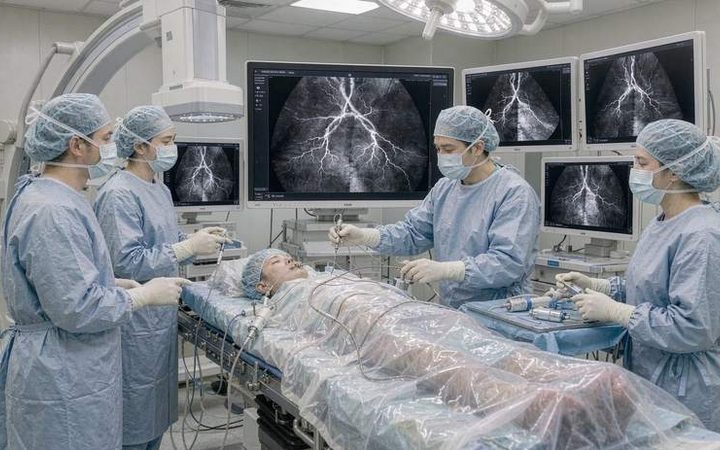
Beyond traditional low-frequency SCS, newer waveforms—high-frequency (10 kHz, sensation-free), burst, closed-loop, and high-density—improve coverage and tolerability. A temporary trial (7–14 days) usually precedes permanent implantation.
Safety and assessment
Candidates need psychological screening (PHQ-9, GAD-7) and exclusion of active infection, severe spinal deformity, or uncontrolled bleeding/clotting issues. A multidisciplinary team (pain, neurosurgery, anesthesia) manages the process.
For patients
SCS is a step for refractory pain after other options fail. In China it is offered at specialized pain centers; discuss a trial period and realistic expectations (often 50–70% pain relief) with your physician.
Sources and further reading
One reference to a U.S. government health source (National Institutes of Health or MedlinePlus) for the medical background of this guide. It is context, not a substitute for advice from your treating doctor.
General information for international patients, not medical advice or a diagnosis. Read the medical disclaimer.