In short
TCM is complementary, not a diagnosis machine. A clear view of what visitors use it for, what a consult involves, and where it stops.
What this guide covers: What it can support · What a consult involves · Using it safely · Who this suits — and who it does not
Medical Tourism · Traditional Medicine · Explained
What it can support
| Goal | Common approach |
|---|---|
| Low energy, poor sleep, mild digestion | Personalised herbal formula, acupuncture where suitable. |
| Musculoskeletal tension and pain | Acupuncture and tuina alongside herbs. |
| Recovery after illness or procedure | A gentle, supportive course. |
| General wellness | A short, season-timed course. |
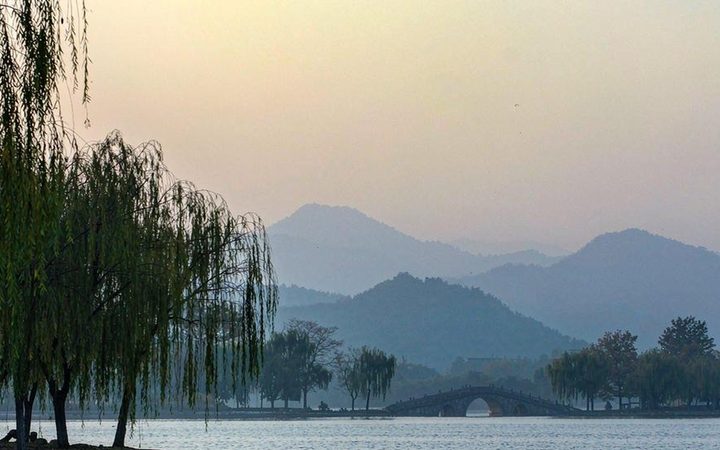
Karst hills and calm water
What a consult involves
A practitioner takes the pulse and tongue and reviews sleep, appetite, energy and stress, then proposes a personalised plan — usually herbal formulas and acupuncture — adjusted at follow-up.
Using it safely
List every medication for every practitioner; some herbs interact with blood thinners and other drugs. Keep herbs in original labelled packaging for customs.
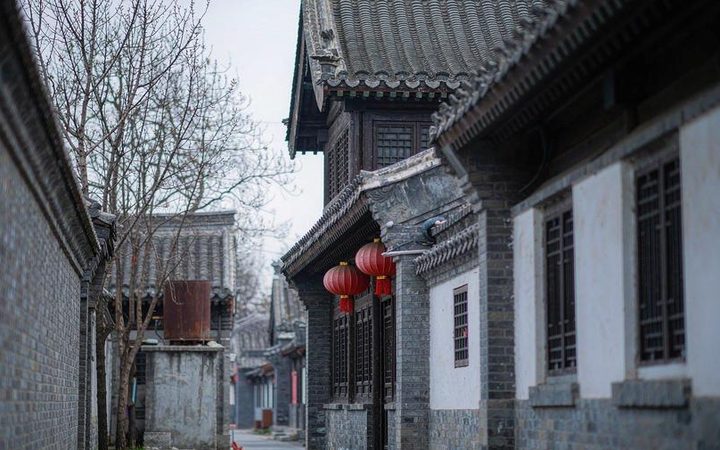
A quiet hutong lane in Beijing
Who this suits — and who it does not
Sources and further reading
One reference to a U.S. government health source (National Institutes of Health or MedlinePlus) for the medical background of this guide. It is context, not a substitute for advice from your treating doctor.
General information for international patients, not medical advice or a diagnosis. Read the medical disclaimer.