In short
Hospital records in China are issued in Chinese. Know exactly which documents make up your medical record, how to request copies before you leave, and what certification your home clinician or insurer will require.
What this guide covers: What "your medical record" actually includes · How to request copies in China · Getting an English version · When certification is required · Imaging and pathology for second opinions
Chinese hospitals issue records in Chinese — discharge summaries, operative notes, pathology, radiology and laboratory results. For follow-up care at home or an insurance claim, you will usually need an English version and sometimes a certified one.
What "your medical record" actually includes
Before you request anything, know the documents that make up a complete record:
- Discharge summary (admission reason, course, discharge diagnosis, follow-up plan)
- Operative or procedure notes
- Pathology report (tumour type, grade, stage, biomarker results)
- Radiology report plus the images themselves (on CD, DVD or hospital cloud)
- Laboratory results with units and reference ranges
- ECG and other cardiology reports if relevant
- Prescription and medication list at discharge
Asking for "my records" is not enough — name each document so the medical records office produces the full set.
How to request copies in China
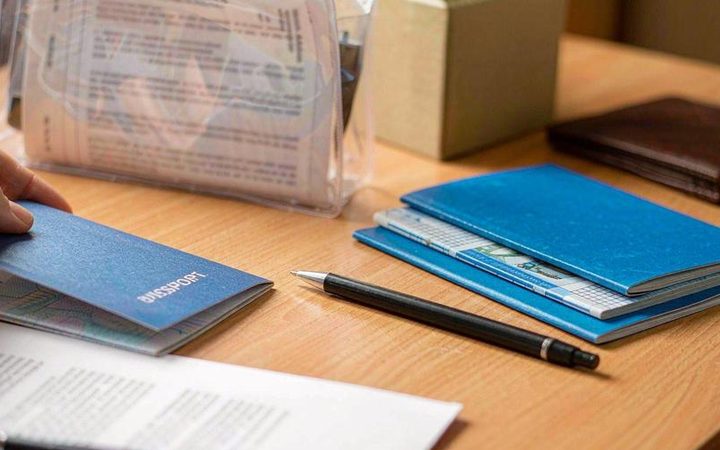
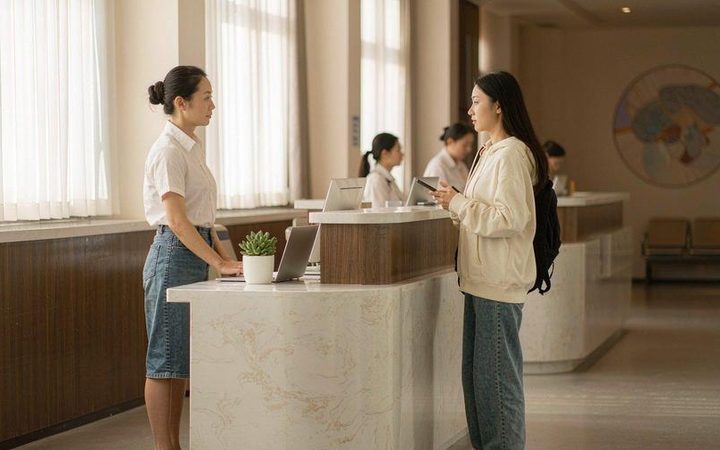
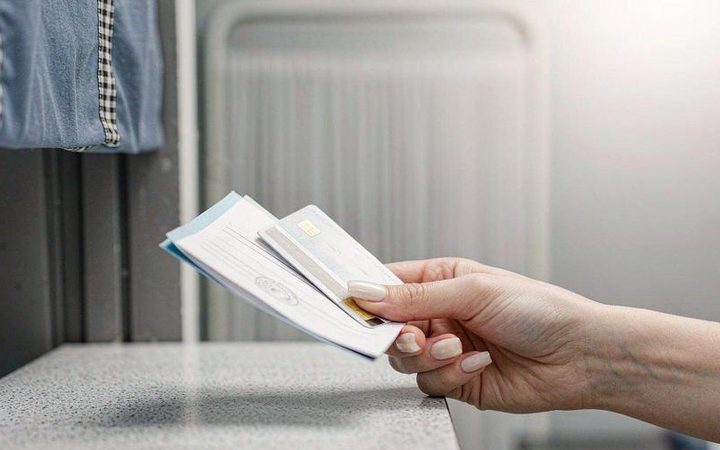
Go to the hospital's medical records office (often called the records or archive room). You will fill a request form, show your passport (and the patient's if different), and pay a small copying fee. Copies are often ready the same day or next morning. Do this before you fly home — requesting from abroad is far slower and may require a proxy.
Getting an English version
Ask the IMD or the records office whether an English discharge summary or translated report is available. Many large hospitals can produce one on request. If not, use a professional medical translator and keep the original Chinese as the source document.
When certification is required
For immigration, insurance or legal use, a certified translation carrying the translator's stamp or a notarised copy may be required. Requirements differ by country and insurer, so confirm what your destination accepts before you travel — obtaining the right certification in China is easier than redoing it later.
Imaging and pathology for second opinions
Radiology images are delivered on a CD/DVD or via a portal; request both the images and the written report. For cancer care, pathology glass slides or the paraffin block can often be borrowed or scanned for a second opinion abroad — request this early, because releasing them involves the pathology department and can take several days.
Scan everything to PDF and keep both the original and the English translation. Your home clinician needs the original findings, not only the translation.
Sources and further reading
One reference to a U.S. government health source (National Institutes of Health or MedlinePlus) for the medical background of this guide. It is context, not a substitute for advice from your treating doctor.
General information for international patients, not medical advice or a diagnosis. Read the medical disclaimer.