In short
A Chinese hospital visit is a fixed sequence -- register, queue, consult, pay, test, return. Know the flow and the exact documents and items to bring so the first day goes smoothly.
What this guide covers: The flow, step by step · Documents and items to bring · Practical tips · After the visit
A hospital visit in China is a sequence of steps rather than one sitting. Knowing the order and what to carry removes most of the stress.
The flow, step by step
- Register at a kiosk or window and pay the registration fee; you then receive a queue ticket for the department.
- Wait for your number; consultations can be short, so write your questions down beforehand.
- After the doctor, pay at a cashier or kiosk, then go for blood tests, imaging or pharmacy.
- Many results are ready the same day or next morning; return to the doctor with them.
The IMD streamlines these steps and provides English guidance for a higher fee.
Documents and items to bring
Carry these in a folder on the day:
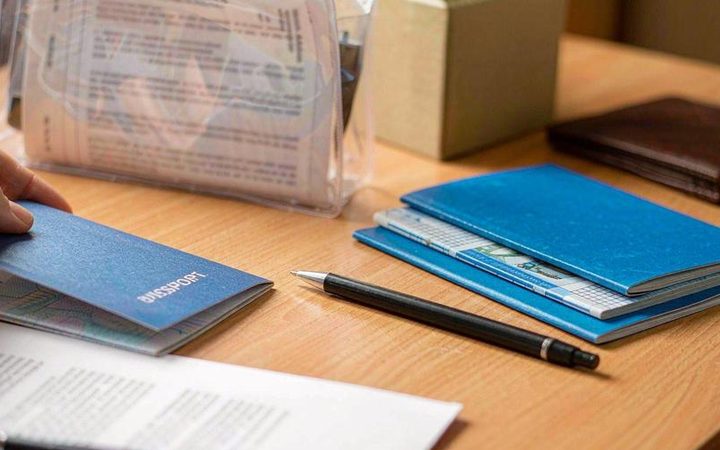
- Passport and a copy of your visa
- The appointment confirmation (email or screenshot)
- Your translated medical summary and medication list
- Original medications in their labelled bottles (not loose pills)
- Imaging on CD/USB plus the report, if relevant
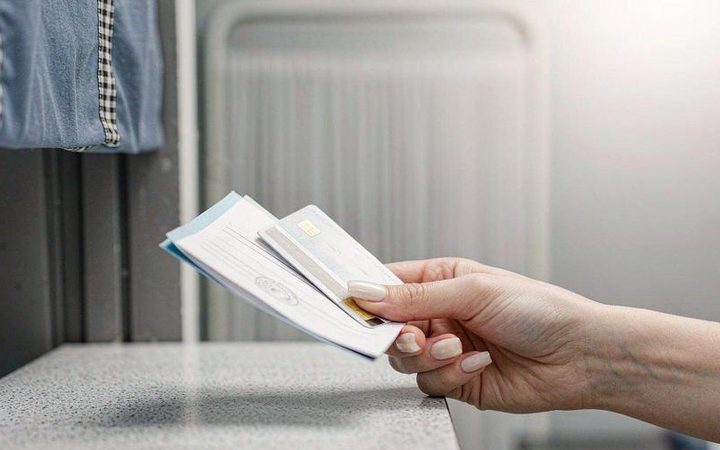
- Insurance card and, if arranged, a guarantee-of-payment letter
- A written list of your questions
- A local SIM or roaming data so maps and translation apps work
- A payment method (Alipay, WeChat Pay, or a card the hospital accepts)
- Small cash for incidentals, even though payments are mostly cashless
Practical tips
Wear easy clothing for scans. Arrive 30 minutes early. If you feel lost, the guidance desk near the entrance exists to direct you. Bring an interpreter or use the hospital's if you do not speak Chinese.
After the visit
Keep every receipt and the official invoice; you will need them for insurance and for any follow-up. Note the doctor's name and the follow-up instruction in writing before you leave.
Flow and fees vary by hospital. The IMD offers English guidance and a more predictable first day for a higher fee.
Sources and further reading
One reference to a U.S. government health source (National Institutes of Health or MedlinePlus) for the medical background of this guide. It is context, not a substitute for advice from your treating doctor.
General information for international patients, not medical advice or a diagnosis. Read the medical disclaimer.