In short
The 2025 guide supports home nebulization for selected childhood respiratory conditions, emphasizing correct device use, hygiene, and caregiver education.
What this guide covers: What · Who · Common · Device and · Hygiene and
What
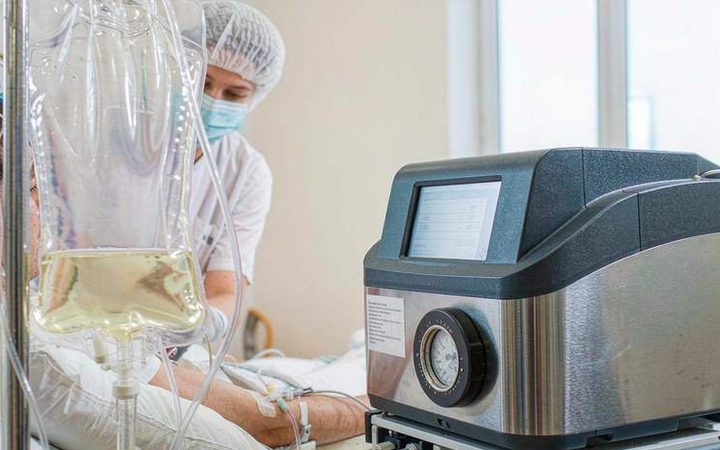
Is Home Nebulization? Nebulization delivers medication directly to the airways as a fine mist. Performed at home, it helps children with chronic or recurrent respiratory conditions.
Who
May Benefit It is used for asthma, wheeze, and some airway disorders. A clinician should confirm the diagnosis and choose the appropriate inhaled medicine for the child.
Common
Medications Inhaled corticosteroids, bronchodilators, and anticholinergic agents are typical. Mucolytics or saline may be added when clinically indicated by the prescriber.
Device and
Technique Use a clean compressor or mesh nebulizer as directed. Proper mask fit, calm positioning, and correct assembly improve how much drug reaches the lungs.
Hygiene and
Safety Clean and dry equipment after each use to prevent infection. Watch for side effects, and seek care if breathing worsens or symptoms are not controlled.
Sources and further reading
One reference to a U.S. government health source (National Institutes of Health or MedlinePlus) for the medical background of this guide. It is context, not a substitute for advice from your treating doctor.
General information for international patients, not medical advice or a diagnosis. Read the medical disclaimer.